Extended rear-facing — keeping your child rear-facing beyond age 2 — is one of the most evidence-based safety practices in child passenger safety. Yet many parents switch to forward-facing much earlier than necessary, often because they think their child is too big or uncomfortable.
The physics are straightforward: in a frontal crash (which accounts for the majority of serious crashes), a rear-facing seat cradles and moves with the child, distributing crash forces across the entire back, head, and neck. A forward-facing child's body is held by the harness straps while the head continues to move forward — placing enormous stress on the neck and spine.
Studies consistently show that rear-facing children are 5 times safer than forward-facing children in frontal crashes. The AAP updated its guidance in 2018 to recommend rear-facing as long as possible — until the child reaches the maximum weight or height limit of their seat.
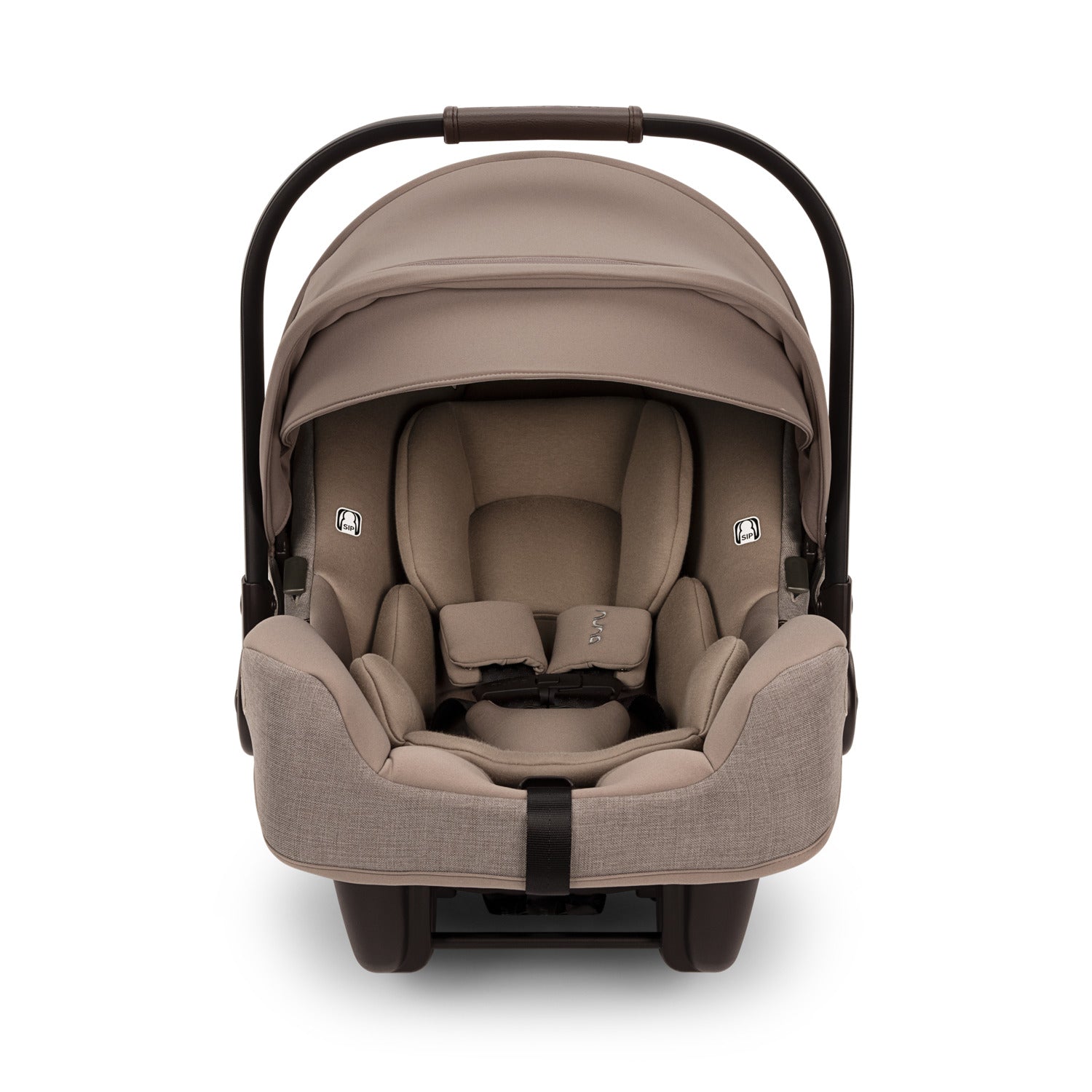
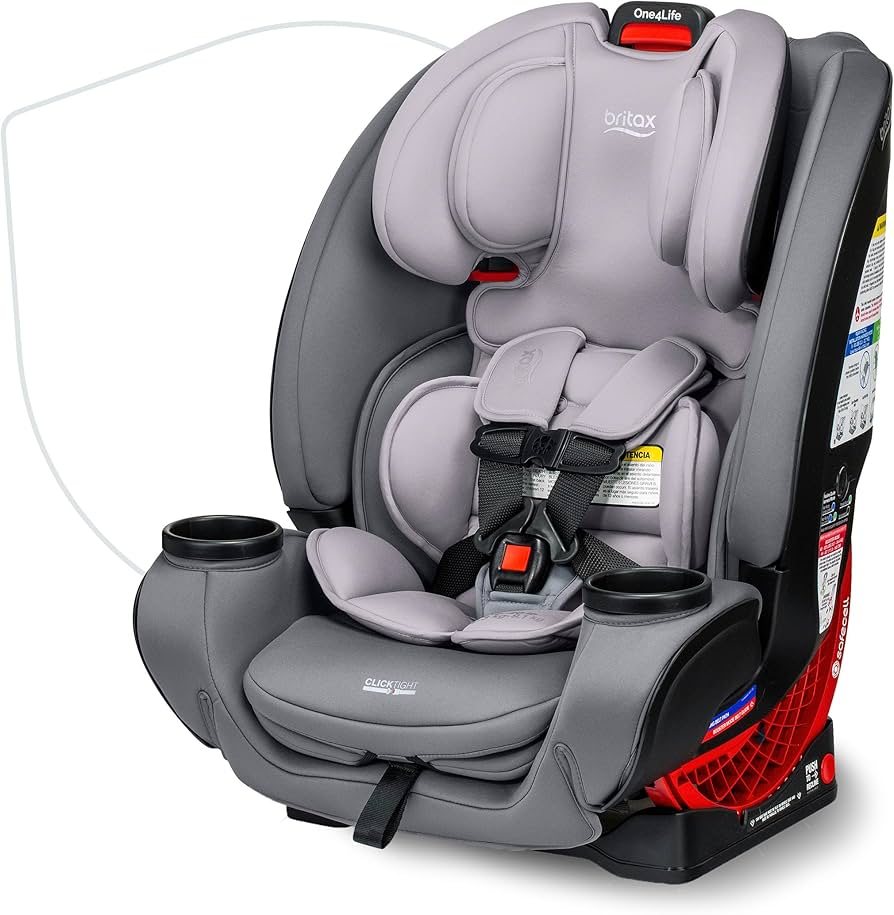
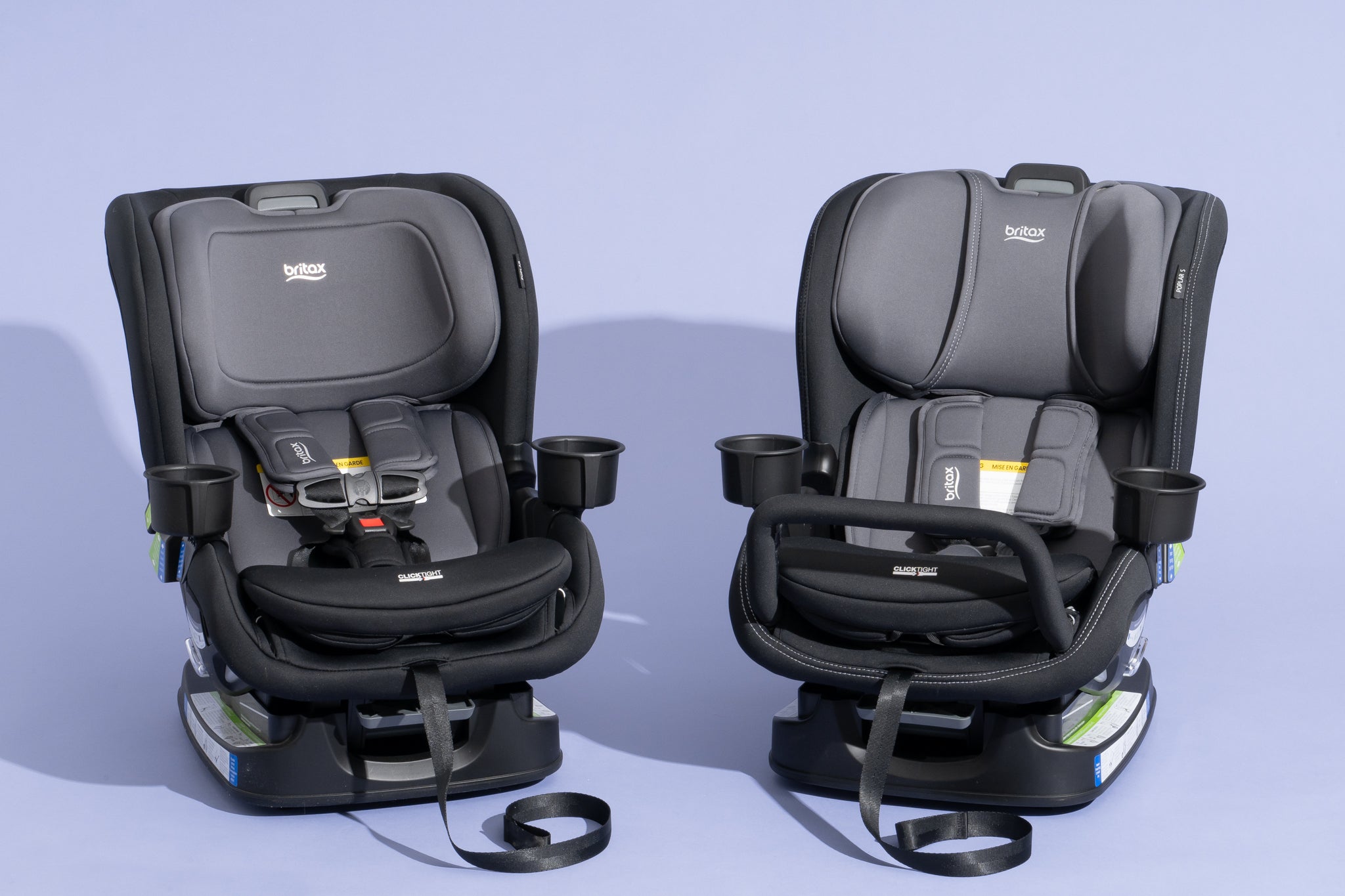
Modern convertible car seats make extended rear-facing practical. Many seats allow rear-facing up to 40–50 lbs, which means most children can remain rear-facing until age 3–4. The Nuna RAVA, for example, allows rear-facing up to 50 lbs.
Common concerns: 'Won't my child's legs get hurt if they're rear-facing and we crash?' Research shows leg injuries are rare in rear-facing crashes, and the risk of serious head and neck injury is far greater in forward-facing crashes. 'My child seems uncomfortable.' Children are actually more flexible than adults — bent legs are not a safety concern.
Expert Tip from Our CPSTs
When in doubt about your car seat installation or your child's readiness to transition to a new seat type, visit a certified Child Passenger Safety Technician. They provide free inspections and can answer any questions specific to your vehicle and child.
Found this helpful? Share it: