Types of Car Seats
Car seats are categorized by the age and size of the child they're designed for. Understanding the differences helps you choose the right seat — and avoid buying more seats than you need.
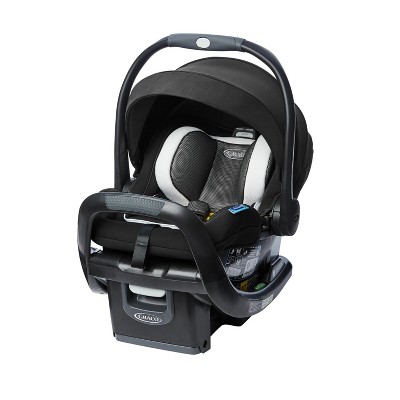
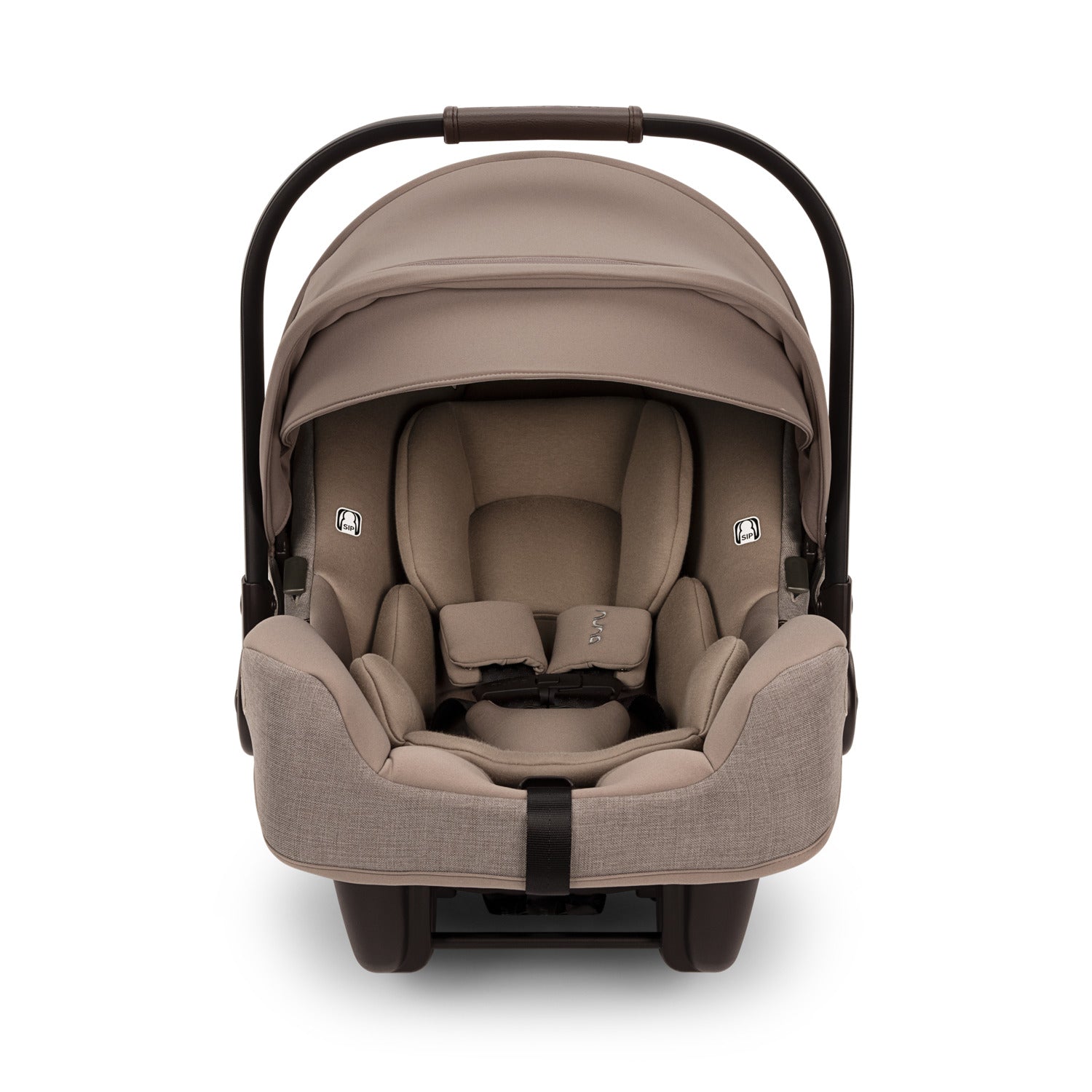
Infant Car Seat
Pros
- Lightweight carrier
- Easy to move sleeping baby
- Stroller compatible
Cons
- • Short lifespan
- • Additional cost to upgrade later
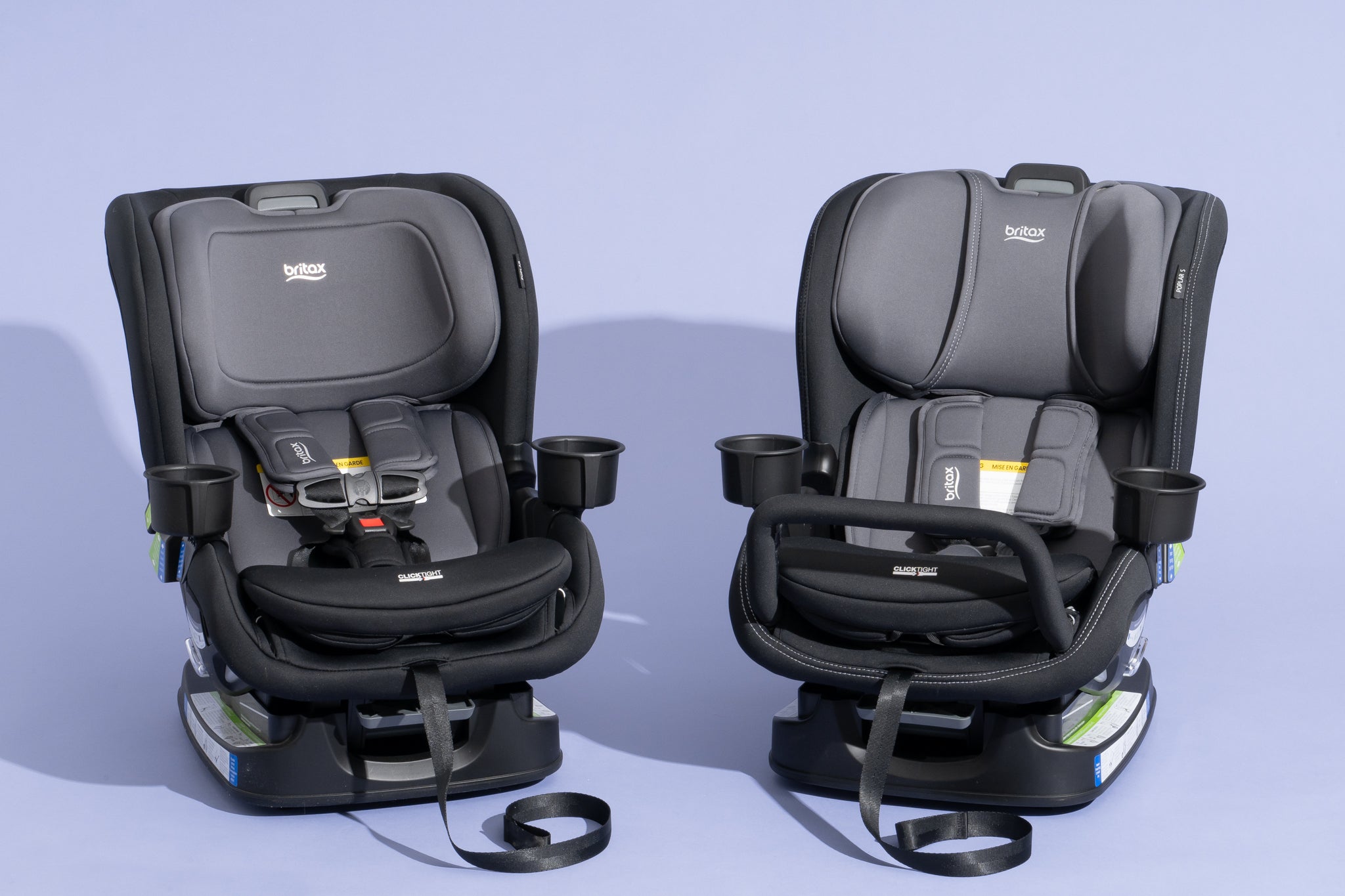
Convertible Car Seat
Pros
- Long lifespan
- Higher rear-facing limits
- Better long-term value
Cons
- • Stays in car (not portable)
- • Bulkier than infant seats
All-in-One Car Seat
Pros
- Single purchase for entire childhood
- Best long-term value
- No seat transitions
Cons
- • Large and heavy
- • May not fit all vehicles in all modes
Booster Seat
Pros
- Positions seat belt correctly
- Lightweight and portable
Cons
- • No harness (less protection)
- • Child must be mature enough to sit properly
Age & Weight Guide
Important: Always follow weight and height limits, not age recommendations.
Age guidelines are approximate. Your child's weight and height — and the limits of their specific seat — are what determine when to transition.
| Stage | Typical Age | Seat Type | Direction |
|---|---|---|---|
| Newborn | 0–12 months | Infant or Convertible | Rear-facing |
| Infant | 6–18 months | Infant or Convertible | Rear-facing |
| Toddler | 1–4 years | Convertible or All-in-One | Rear then Forward |
| Preschool | 3–6 years | Convertible or All-in-One | Forward-facing |
| School Age | 5–12 years | Booster or All-in-One | Forward with belt |
Safety Standards Explained
FMVSS 213
Federal Motor Vehicle Safety Standard 213
The minimum federal safety standard all car seats sold in the US must meet. Covers crash performance, flammability, and labeling requirements.
NHTSA Ease of Use
National Highway Traffic Safety Administration
NHTSA rates car seats on ease of use — including labeling clarity, harness adjustment, and installation ease. Ratings range from 1–5 stars.
IIHS Testing
Insurance Institute for Highway Safety
IIHS conducts independent crash tests and rates seats as Good, Acceptable, Marginal, or Poor. Considered the gold standard for independent testing.
Common Car Seat Mistakes to Avoid
Switching to forward-facing too early
Fix: Keep rear-facing until your child reaches the seat's maximum rear-facing weight or height limit.
Loose installation (more than 1 inch of movement)
Fix: Tighten LATCH straps or seat belt until the seat moves less than 1 inch at the belt path.
Chest clip positioned too low
Fix: The chest clip should be at armpit level — not on the belly.
Harness straps too loose
Fix: You should not be able to pinch any slack in the harness at the child's shoulder.
Using a secondhand seat with unknown history
Fix: Never use a seat that has been in a crash, is expired, or has an unknown history.
Adding aftermarket accessories
Fix: Only use accessories that came with the seat or are approved by the manufacturer.