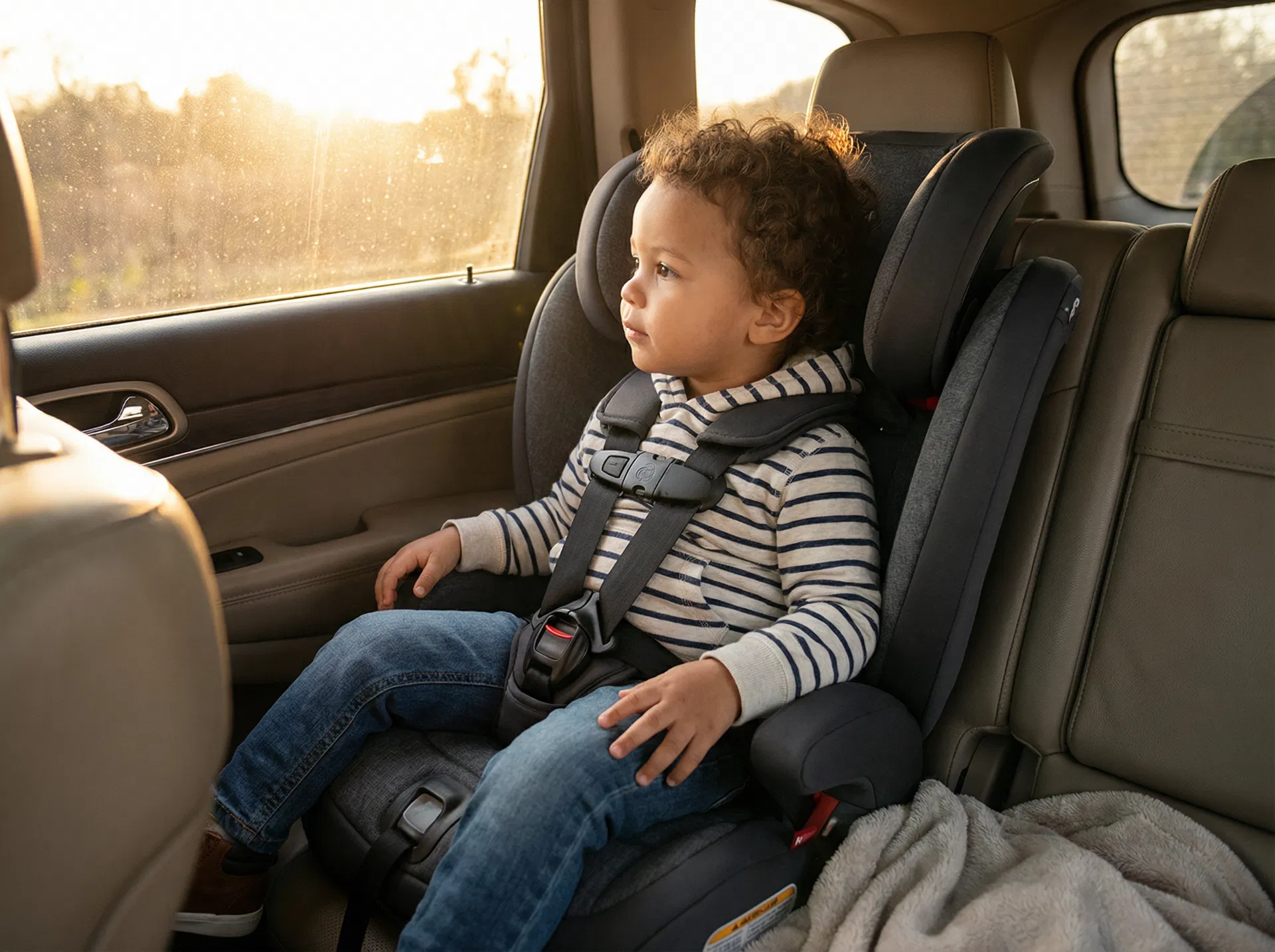
Booster seats position your child so the vehicle's seat belt fits correctly — across the chest and lap, not the neck and abdomen. High-back boosters provide head support and side-impact protection. Backless boosters are more portable. Our testing evaluates belt fit, side-impact protection, and ease of use.
1 seats found
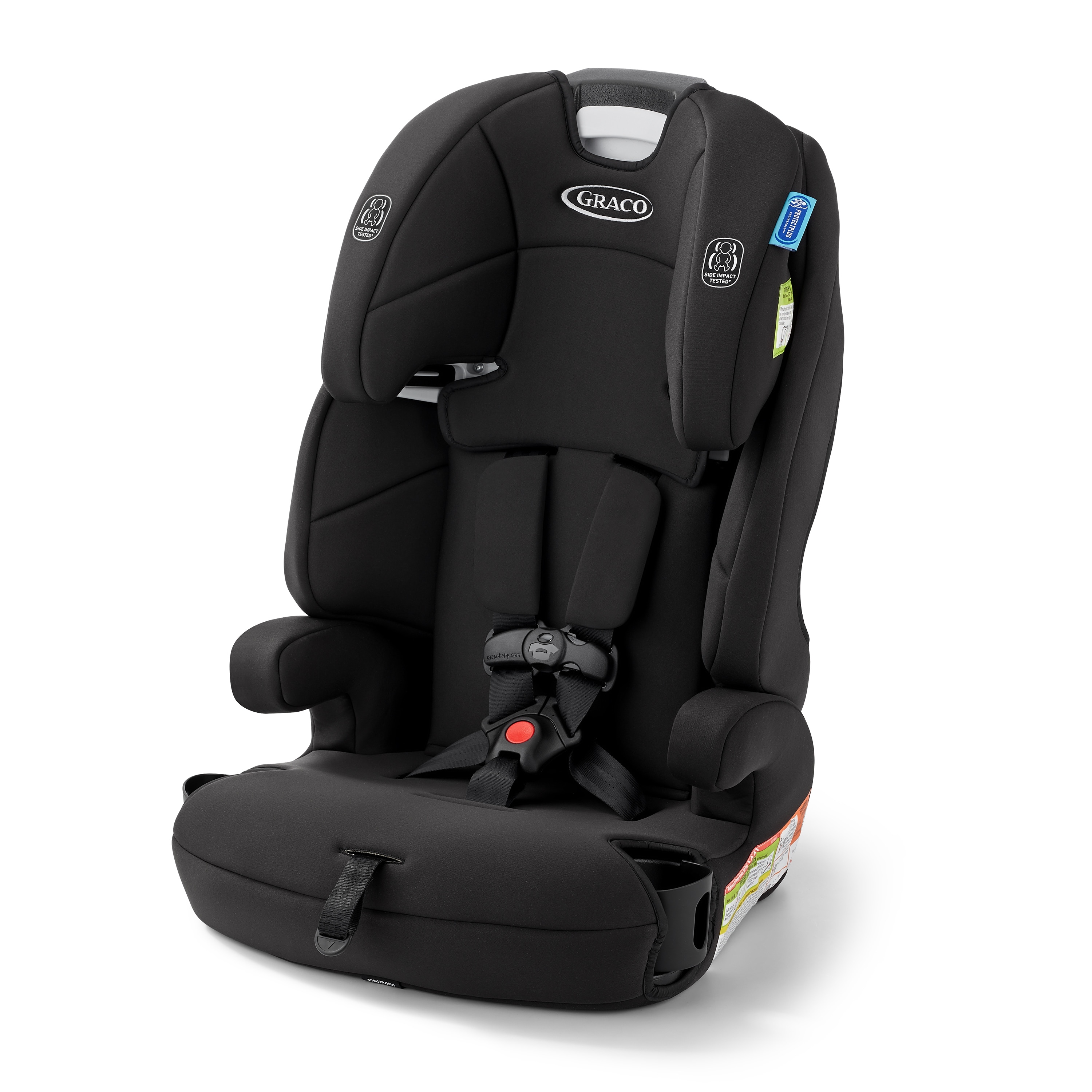
#1
Best Booster
Nuna
AACE Booster
Safety9.4/10
9.3/10
Weight: 25–120 lbs
Height: 38–57 inches
Install: LATCH
Price: $349
Top Pros
- Exceptional side-impact protection
- Merino wool fabric option
- Slim profile fits 3 across
Buying Tips from Our Experts
- 1Keep children in a harnessed seat as long as possible before switching to a booster
- 2High-back boosters are safer than backless in most vehicles
- 3Ensure the seat belt fits correctly — shoulder belt on chest, not neck
- 4Look for LATCH attachment to keep the booster in place when unoccupied
- 5Consider a slim profile if you need to fit 3 across
Frequently Asked Questions
When is my child ready for a booster seat?
When they've outgrown the maximum weight or height of their harnessed seat AND can sit properly in the booster for an entire trip without slouching.
High-back vs. backless booster — which is safer?
High-back boosters generally provide better side-impact protection and head support. Backless boosters are fine in vehicles with high seat backs, but high-back is the safer default choice.