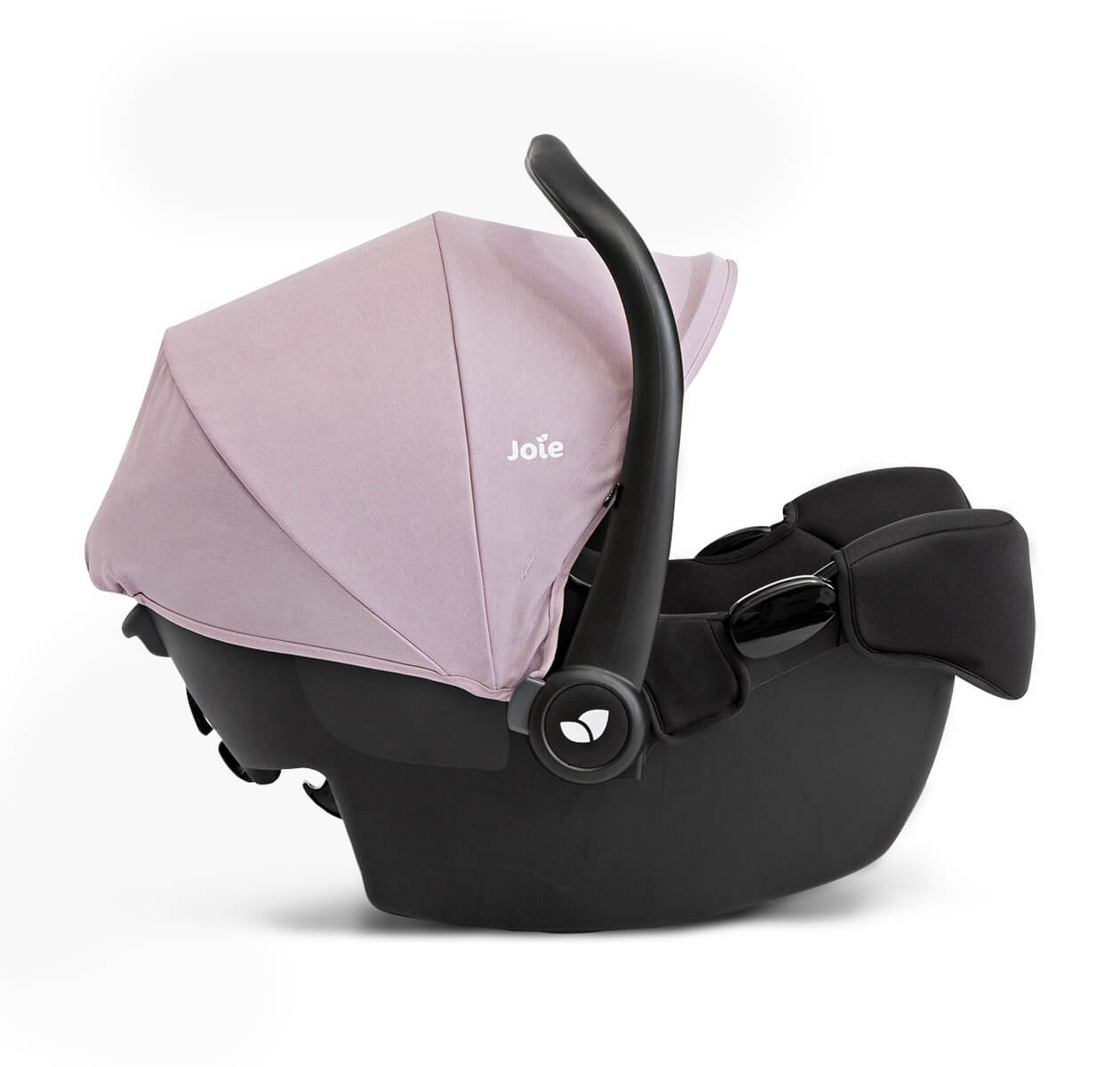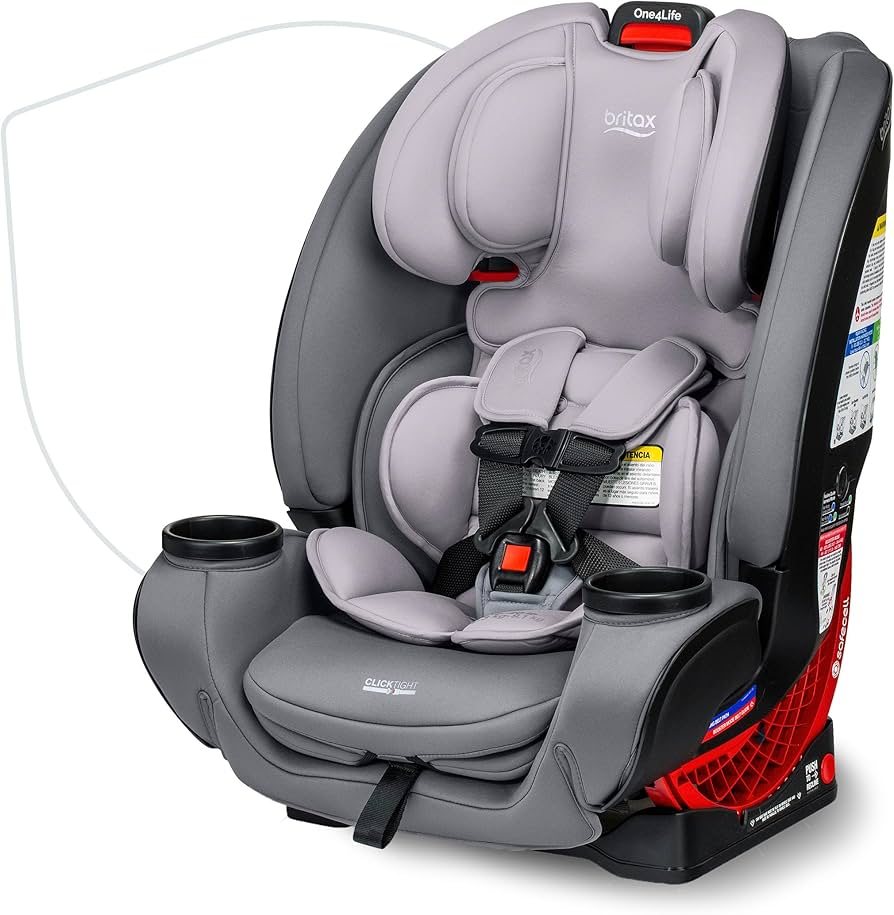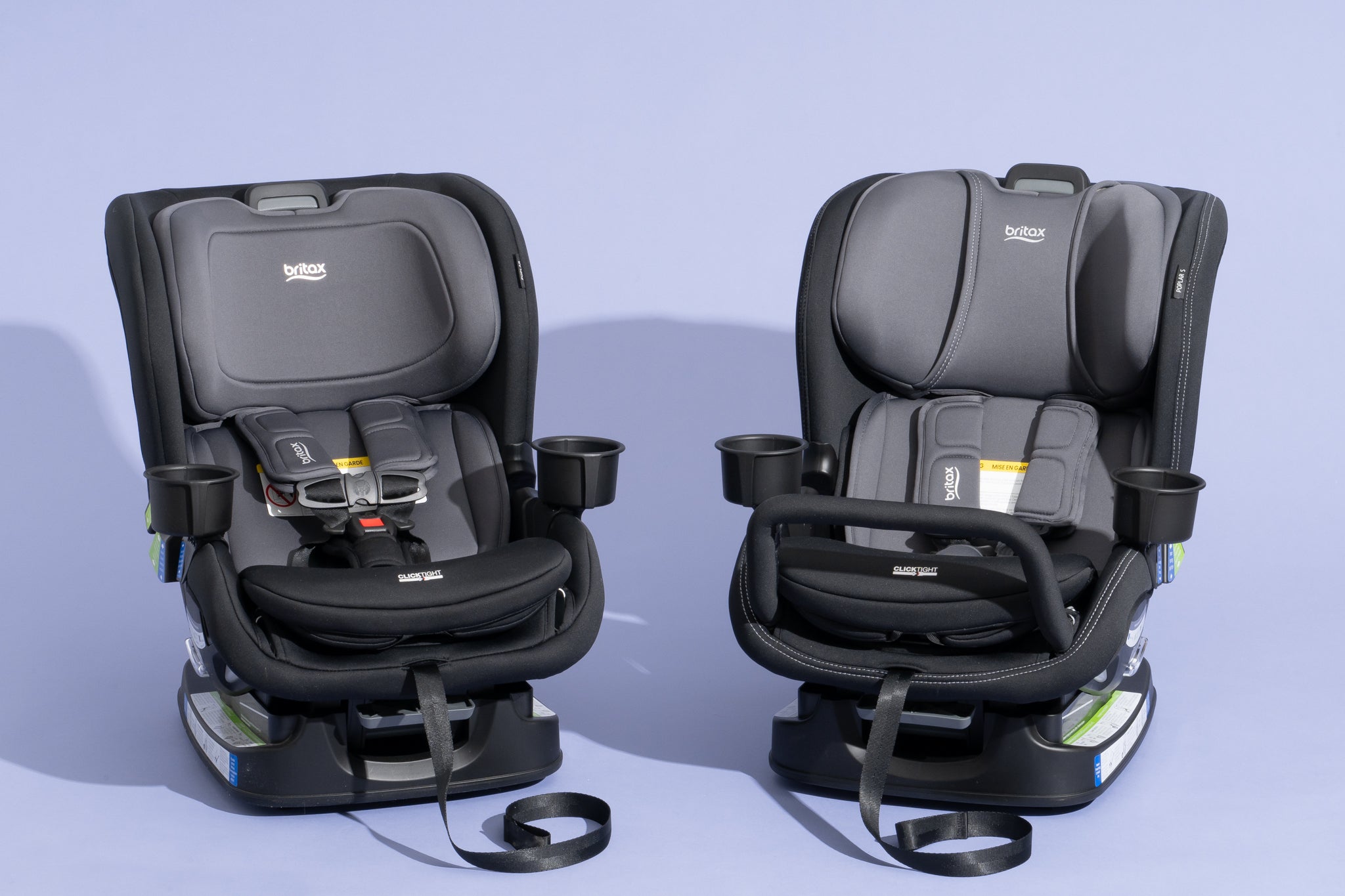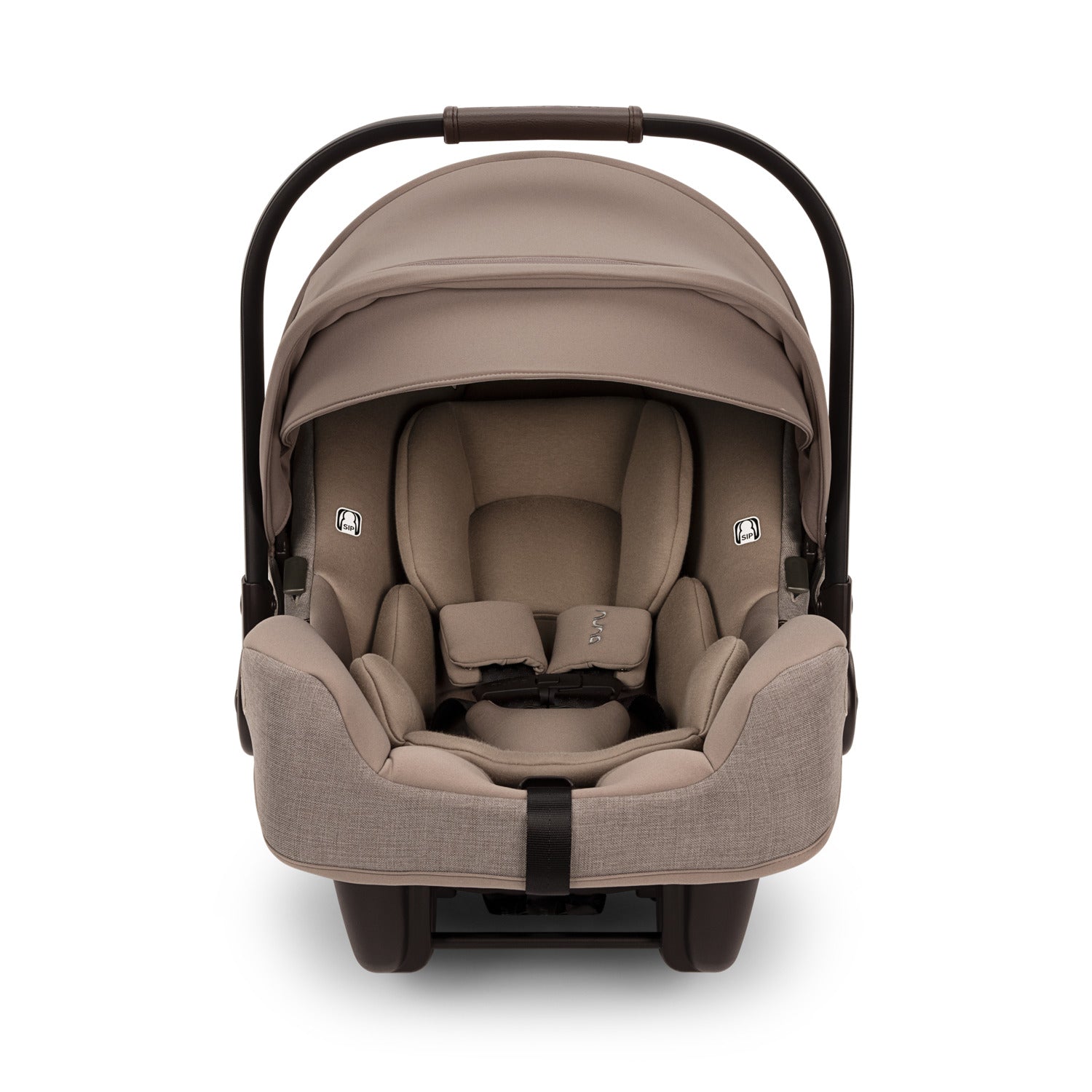
One of the most common questions new parents ask is: when should I switch from an infant car seat to a convertible car seat? The answer isn't as simple as a specific age — it depends on your child's weight, height, and the limits of their current seat.
The short answer: switch when your child exceeds the maximum rear-facing weight or height limit of their infant seat. For most infant seats, this is around 30–35 lbs or 30–32 inches. Many children reach this point between 9 and 18 months, though some larger babies may reach it sooner.
The most important thing to understand is that rear-facing is significantly safer than forward-facing for young children. The rear-facing position distributes crash forces across the entire back, head, and neck — rather than concentrating them on the harness straps. This is why the American Academy of Pediatrics (AAP) recommends keeping children rear-facing as long as possible.
When you do make the switch, you have two options: a convertible car seat (which goes from rear-facing to forward-facing) or an all-in-one seat (which covers all stages from birth to booster). Both allow you to continue rear-facing at higher weight limits than most infant seats — typically up to 40–50 lbs.
Signs that it's time to switch include: your child's head is within 1 inch of the top of the infant seat shell, they've reached the maximum weight limit, or they've reached the maximum height limit. Never switch to forward-facing simply because your child looks uncomfortable or their legs are bent — leg room is not a safety concern.
Expert Tip from Our CPSTs
When in doubt about your car seat installation or your child's readiness to transition to a new seat type, visit a certified Child Passenger Safety Technician. They provide free inspections and can answer any questions specific to your vehicle and child.
Found this helpful? Share it: